Introduction
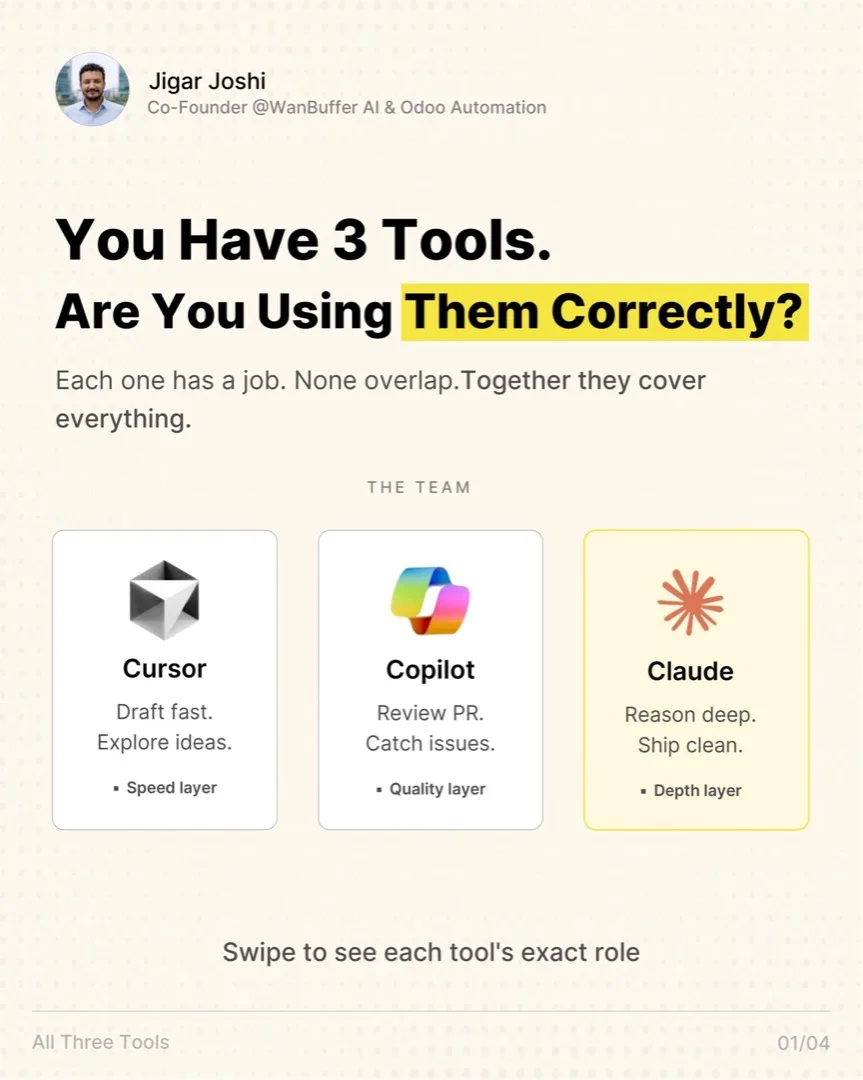
Teams ask me which coding assistant to standardize on. Wrong question. The right question is what is the scope of this task right now.
For the three-tool workflow with Cursor in the mix, see three AI tools, one workflow. This note is the Copilot vs Claude Code decision on its own.
Copilot: task-oriented speed
Copilot Workspace thinks in tasks: plain-English task, plan plus code, review and merge as a PR. Fast. Inline. Native to GitHub. Best when the task is clear and scoped.
- Single-file changes with obvious boundaries.
- Bug fixes where the location is known.
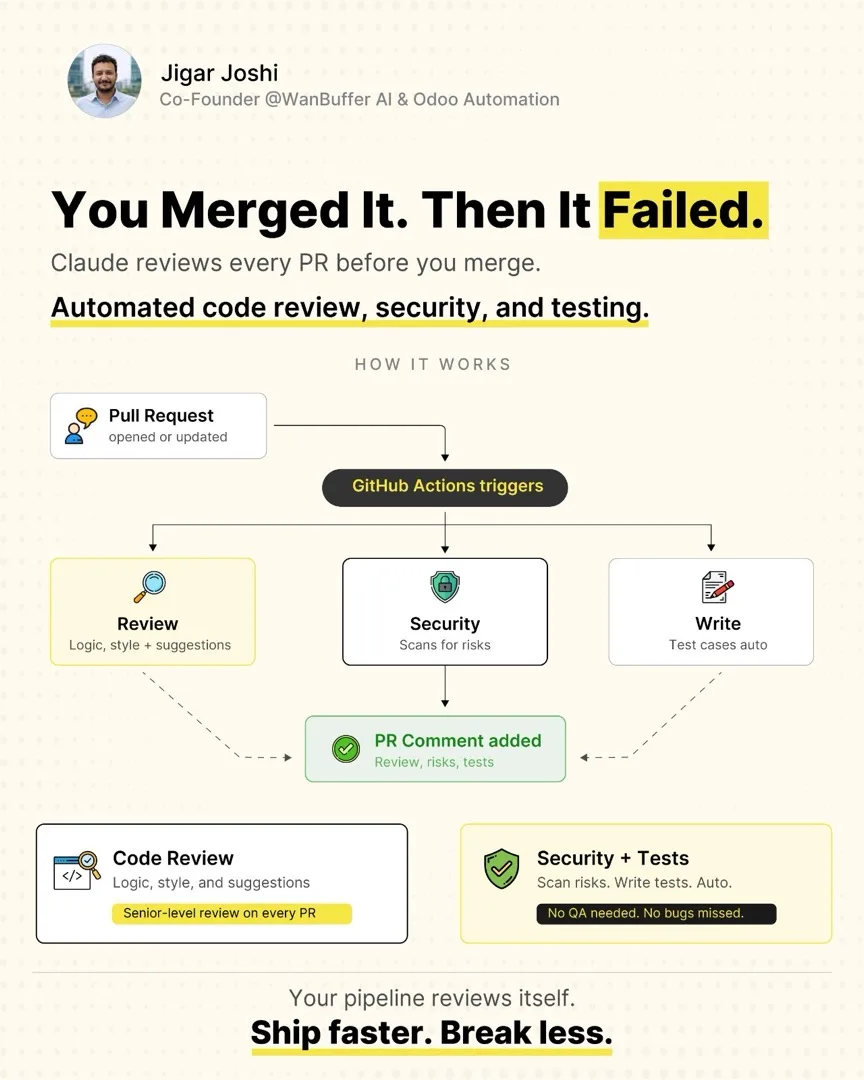
- PR review and security scan on every pull request.
- Tasks that fit in one conversation turn.
Claude Code: whole-system depth
Claude Code reads the full codebase before touching anything. Multi-file reasoning. Production-ready output. Use when the change touches architecture, imports across modules, or code that cannot break.
- Multi-file refactors and feature work.
- Production-critical paths: auth, payments, data migrations.
- Tasks where broken imports are unacceptable.
- Complex logic that needs deep reasoning, not autocomplete.
The scope decision
| Scope | Tool |
|---|---|
| Single clear task | Copilot |
| Multi-file, cannot break | Claude Code |
| Fast scaffold only | Cursor (see three-tool workflow) |
| PR review after either | Copilot review layer |
Production-critical code that touches multiple files goes to Claude Code every time. Then Copilot reviews the PR. Then your automated review pipeline catches what both miss.
Conclusion
The best engineers know which tool to reach for. Right tool. Right moment. Not one default for everything.